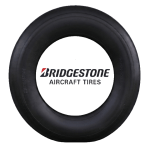

In aviation, the performance and reliability of Airbus A330 tires are critical to safe and efficient operations. The A330 is a wide-body aircraft widely used for medium- and long-haul flights, and its tires play a key role during takeoff, landing, and taxiing. Both A330 main tires and A330 nose tires must meet strict OEM standards to ensure the aircraft performs safely under all operating conditions.
At DMI Aviation Sales, we specialize in providing high-quality, OEM-approved Airbus A330 tires, along with guidance on selection, maintenance, and best practices to maximize tire life and fleet performance.
The Role of A330 Tires
Airbus A330 tires are designed to endure high loads, frequent cycles, and extreme conditions. They absorb the impact during landings, provide traction for takeoffs, and maintain directional stability while taxiing. Tires are divided into two main categories:
- A330 Main Tires: These tires support most of the aircraft’s weight and are critical for braking performance. They experience the highest stress during takeoff, landing, and heavy braking.
- A330 Nose Tires: Nose tires support the front of the aircraft and provide steering during taxiing and landing rollouts. While they bear less weight than main tires, their performance is essential for directional control.
Choosing OEM-approved and properly maintained tires ensures safety, compliance, and operational efficiency.
Key Features of Airbus A330 Tires
- High Load Capacity
The wide-body design of the A330 requires tires capable of supporting significant takeoff and landing weights. Both main and nose tires are engineered with reinforced sidewalls to handle these stresses.
- Durability and Longevity
Constructed from premium rubber compounds and reinforced structures, Airbus A330 tires are built to last, minimizing wear and extending service life. Proper maintenance and inspections further enhance longevity.
- Heat Resistance
Landings generate intense friction and heat. A330 tires are designed to dissipate heat efficiently, preventing degradation and ensuring consistent braking performance.
- Optimized Traction and Stability
Tread designs provide excellent grip on wet and dry surfaces, supporting safe braking, precise steering, and directional stability during all phases of ground operations.
- OEM Compliance
Using OEM-approved A330 main tires and A330 nose tires ensures compliance with Airbus specifications, FAA regulations, and airline safety standards. OEM tires also protect warranties and reduce operational risks.
Best Practices for Maintaining Airbus A330 Tires
Proper maintenance of A330 main tires and A330 nose tires is essential for safety and efficiency. Recommended practices include:
- Regular Inspections: Check tires for cuts, bulges, sidewall damage, or foreign objects before each flight and during scheduled maintenance.
- Correct Inflation: Maintain OEM-recommended pressure to optimize tire performance, wear, and safety.
- Tread Depth Monitoring: Adequate tread depth is necessary to prevent hydroplaning and maintain braking efficiency.
- Certified Retreading: Retreading can safely extend the life of A330 main and nose tires while maintaining OEM performance standards.
- Record Keeping: Track tire cycles, inspections, and replacements to anticipate maintenance needs and avoid unexpected downtime.
How Proper Tire Management Improves Operations
- Enhanced Safety: Well-maintained tires ensure stable takeoffs, precise landing rollouts, and reliable braking performance.
- Operational Efficiency: Durable and retreadable tires reduce downtime, increase aircraft availability, and lower replacement costs.
- Compliance Assurance: Following OEM guidelines ensures airlines meet safety and regulatory requirements.
- Extended Tire Life: Regular inspections and proper maintenance maximize the lifespan of both A330 main tires and nose tires.
Why Choose DMI Aviation Sales
At DMI Aviation Sales, we provide comprehensive solutions for Airbus A330 tire management:
- OEM-approved Airbus A330 tires, including main and nose tires
- Expert guidance on tire selection, inspections, and certified retreading programs
- Support for safe, compliant, and efficient fleet operations
Partnering with DMI Aviation Sales ensures your Airbus A330 fleet operates with reliable, high-performance tires, minimizing operational risks and enhancing safety during every flight.
Conclusion
Airbus A330 tires are a critical component of safe flight operations. Both A330 main tires and A330 nose tires must meet OEM standards, be regularly inspected, and properly maintained to ensure optimal performance, safety, and longevity.
By investing in high-quality tires and implementing proper tire management practices through DMI Aviation Sales, airlines can enhance operational safety, reduce costs, and maximize fleet reliability. OEM-approved tires are not just a requirement—they are a cornerstone of efficient, safe, and cost-effective aviation operations.
FAQs
Q1: Can A330 main and nose tires be retreaded?
Yes, certified retreading programs can safely extend the life of A330 tires while maintaining OEM performance and safety standards.
Q2: How often should Airbus A330 tires be inspected?
Tires should be visually inspected before each flight and according to OEM-specified flight cycles and maintenance intervals.
Q3: Why is OEM approval important for Airbus A330 tires?
OEM approval ensures tires meet aircraft-specific load, speed, and performance requirements, preserving safety, compliance, and warranty coverage.
Q4: What is the difference between A330 main tires and nose tires?
Main tires bear the majority of aircraft weight and support braking, while nose tires provide steering and directional stability during taxiing and landings.
Q5: How does DMI Aviation Sales support airlines with Airbus A330 tires?
DMI Aviation Sales supplies OEM-approved tires, provides guidance on maintenance and inspections, and supports certified retreading programs for safe and efficient operations.